The Simple Hand Exercise That Could Keep Your Memory Sharp for Years
In The News NOW: The Old Master's Discovery That's Keeping Minds Sharp When Medicine Can't.

By Dr. Michael Zhang
Published on December 9, 2024, 11:15 AM EDT
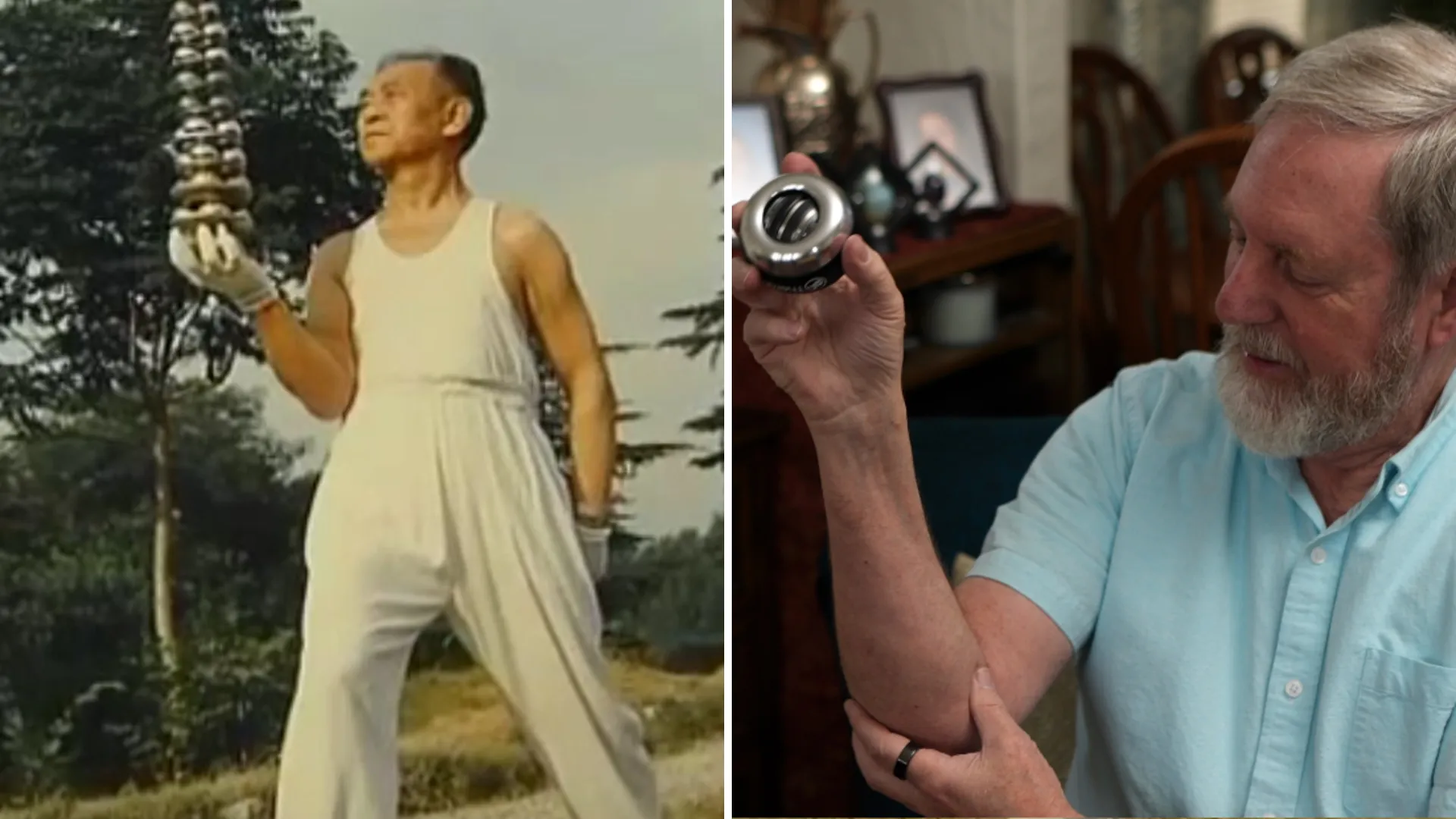
If your hands are weak, your mind is next. Harvard just proved it.
Last month, Harvard Medical School revealed that people with weak grip strength are 2.5 times more likely to lose their memories within 5 years.
In medical circles, we've known this for decades. But we never understood why.
I know this crisis intimately.
When my 73-year-old father—who'd managed complex engineering projects for Boeing—started forgetting his grandchildren's names, we discovered every neurologist said the same thing: "Manage your expectations."
"What do we do while we watch him disappear?" my sister asked, panic rising.
As a neurologist with 20 years experience, I should have had answers. Instead, I felt helpless watching Dad struggle to remember if he'd taken his morning pills while his brilliant mind slowly dimmed.
Desperate, I dove into research.
That's when I discovered a fascinating pattern: Concert pianists almost never lose their memories. Neither do surgeons. Or watchmakers.
The medical journals had no explanation.
But then I remembered something my grandmother used to say: "Idle hands are the devil's workshop."
She meant it as a warning about mischief. Turns out, she was warning us about something far worse—idle hands are dementia's doorway.
After decades treating patients, I realized the connection was right in front of us all along.
The Discovery That Changed Everything

With my father forgetting more each day, I secured a research grant and flew to Hong Kong to study with Master Chen, a 78-year-old Tai Chi master.
For 53 years, he'd been predicting which students would keep their minds sharp—and which would lose everything—with terrifying accuracy.
His test was shockingly simple.
Then I saw it.
Master Chen asked an elderly student to touch each finger to his thumb as fast as he could. The movement was slow, clumsy, struggling.
"Watch," Master Chen said. He asked the man to squeeze his hand.
"His hands have gone to sleep," Master Chen explained. "When the hands sleep, the mind follows. I see this pattern 340 times."
Then he said something I'll never forget:
"Your brain dedicates more neural connections to your hands than to your entire torso and legs combined. 17,000 nerve endings, all wired directly to memory. When you stop using them, your brain literally starts shutting down."
Later, Master Chen shared something remarkable.
Students who maintained hand strength into their 80s were still beating him at chess. Those whose hands weakened in their 60s forgot their children's names by 70.
"Has anyone with strong hands ever needed memory care?" I asked.
He looked confused. "Memory care? Strong hands mean strong mind."
The Master Who Reads Minds Through Hands

"Your brain gives more space to your hands than your whole body combined," he said, as if it were obvious.
As a physician, I knew hand movements activated multiple brain regions simultaneously.
But I'd always seen weak hands as a symptom—not the cause.
What if strengthening hands wasn't just helping mobility, but actually protecting the brain?
I thought of my father. His once-steady hands now trembling. The memories slipping away. The fog getting thicker each day.
Master Chen's students stayed sharp—living proof. But his traditional exercises took months to master.
My father needed help now.
We couldn't watch him fade while waiting for medications that didn't work.
What if we could combine Master Chen's discovery with modern technology? Could we accelerate the results?
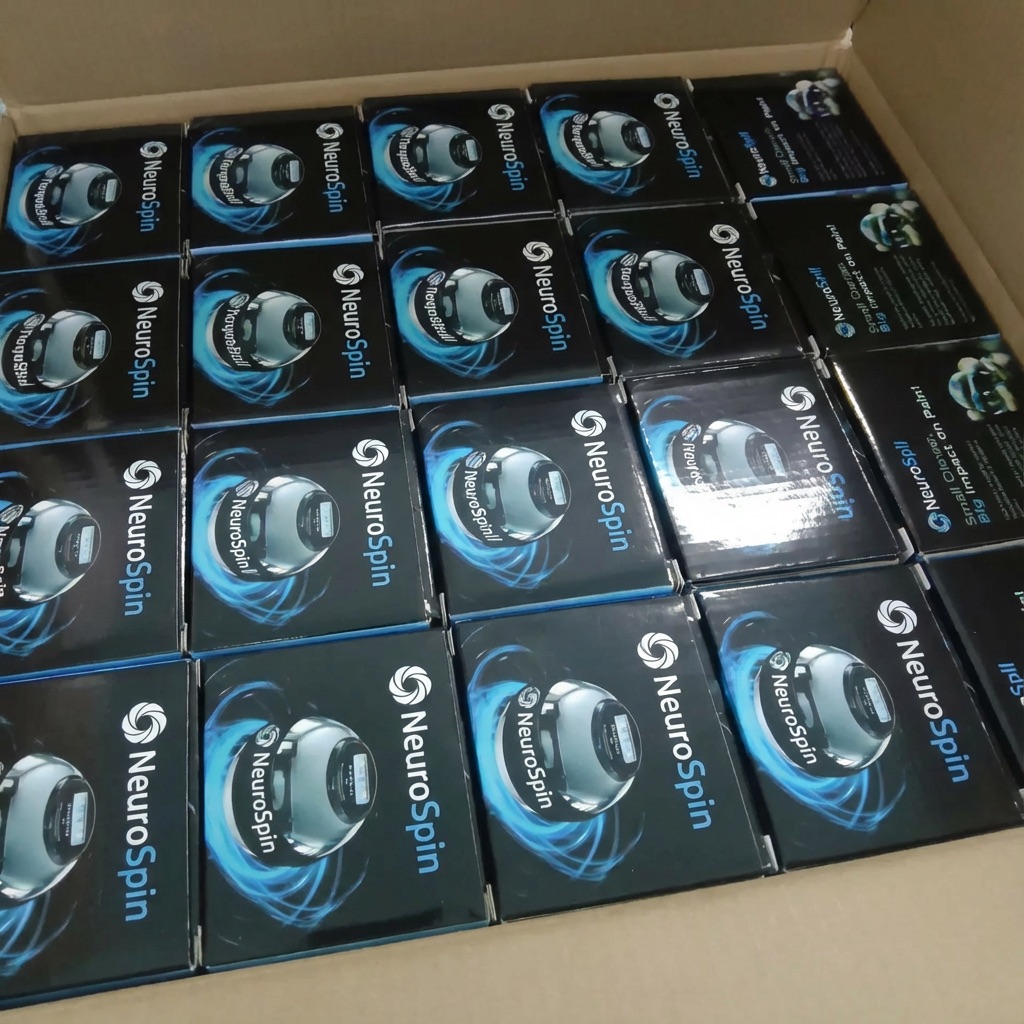
That's When Master Chen Showed Me the NeuroSpin
What if I told you the solution to maintaining mental sharpness fits in the palm of your hand?
Master Chen had spent years perfecting it—taking ancient principles and adding aerospace engineering.
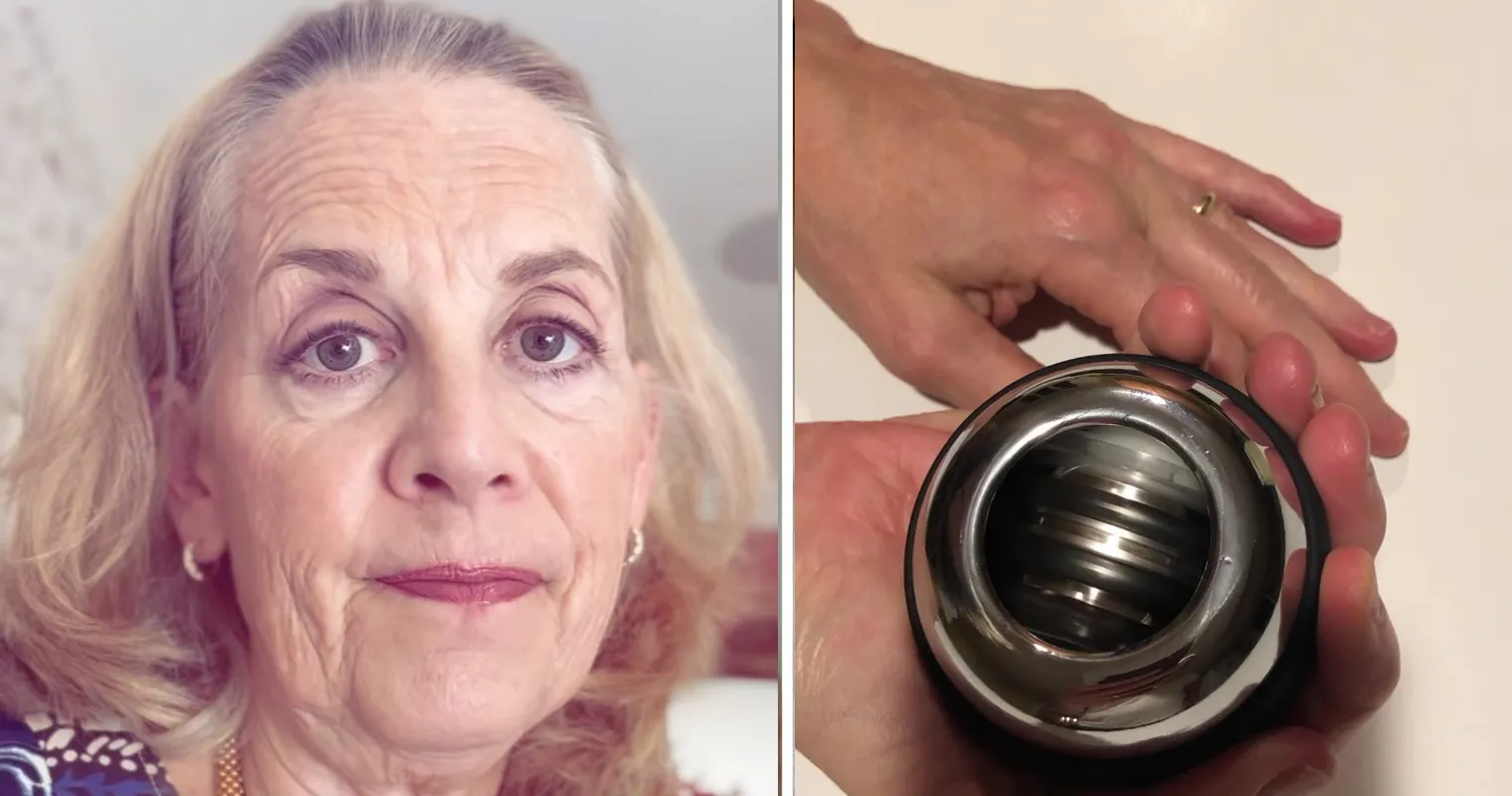
The device looked simple. Just a gyroscope.
The resistance in NeuroSpin isn't just mechanical—it's progressive, adapting to your current strength level.
While it spins, thousands of nerve signals fire from your fingers straight to your brain's memory centers.
Start weak? It meets you there. Get stronger? Your brain lights up more.
Our early plastic prototypes shattered when dropped—devastating for someone with trembling hands. The military-grade zinc construction survives any fall.
This system works so smoothly, you don't even realize you're rebuilding neural pathways.
You see, squeezing stress balls hurts arthritic joints—your brain gets pain signals and makes you stop. But NeuroSpin's spinning resistance works without triggering pain—just pure neural activation.
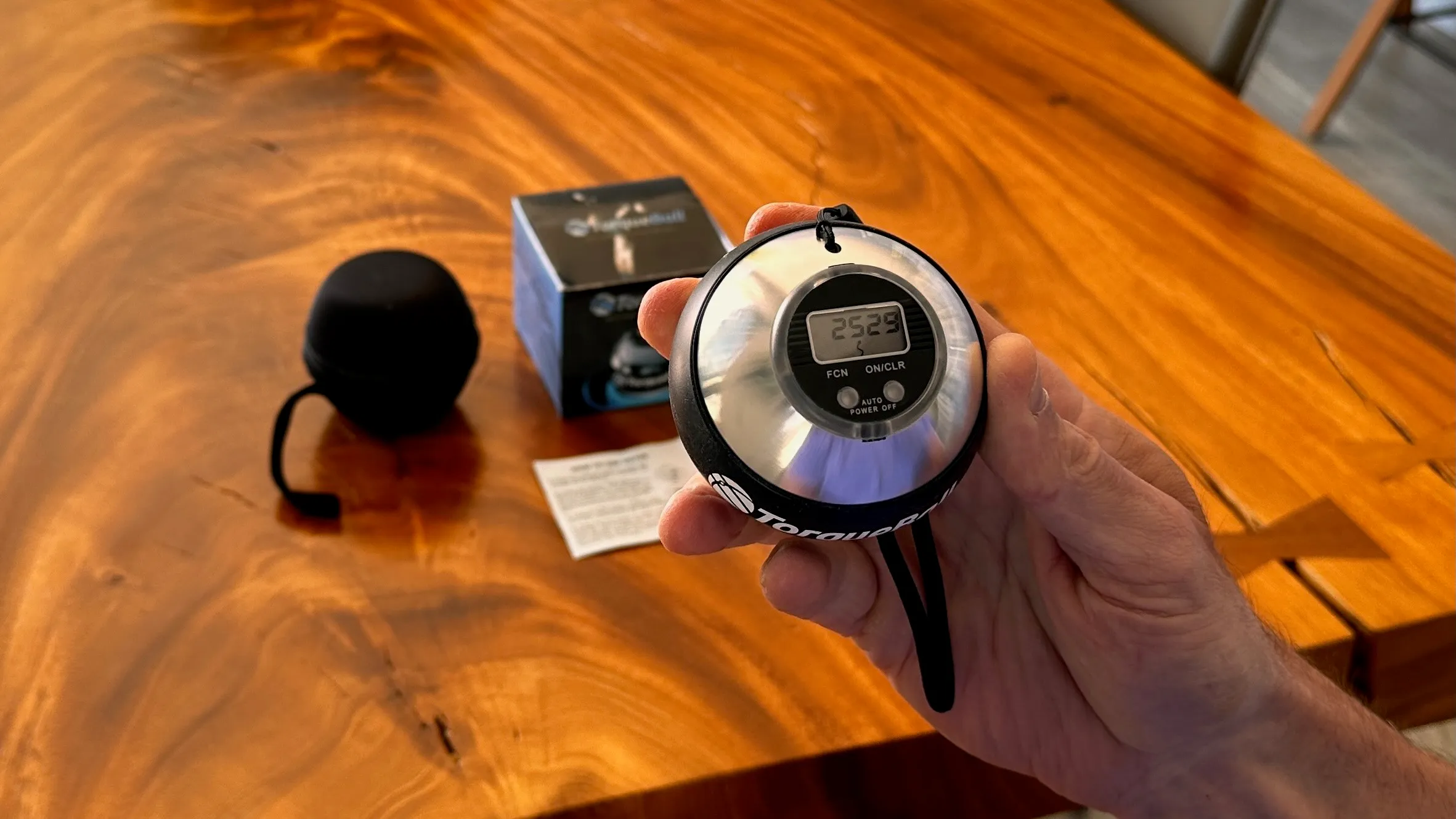
The small LED display shows your rotation speed – your brain health score.
I didn't realize then that this number would become the most important metric in my father's recovery.
A daily score that would document his mind coming back to life.
And all it took was 90 seconds, twice a day.
My Father's Journey Back to Clarity
At 73, my father's brilliant mind was fading. He'd forgotten our anniversary. Repeated stories from breakfast at dinner.
"Most families just accept it," the neurologist had said.
When I brought Dad the NeuroSpin, he was skeptical. "This toy will help my memory?"
His first attempt was heartbreaking—his hands could barely control the spin. Score: 1,120.
But the engineer in him persisted. By week's end: 2,400.
Week two: steady progress and better focus.
Then came Sunday of week three.
I found Dad at his workbench, doing something I hadn't seen in two years—soldering a circuit board.
"My hands feel alive again," he said, not looking up. "And when my hands came back..."
He tapped his temple.
"Everything else came back too."
Later, I checked his NeuroSpin score: 8,954.
Six months later, his neurologist was stunned.
"Whatever you're doing, keep doing it. His cognitive tests have improved dramatically."
That number wasn't just a score. It was the difference between losing my father to the fog and having his brilliant mind restored.


 4
4


